
Brand governance:
brand management that keeps your brand strong and consistent
Brand management keeps your brand recognisable as your company grows, enters new markets and launches new products. We build the structure, the rules and the tools that make it work. Brand governance is the part that makes it stick. Everyone knows how your brands relate, what they look like and who decides. You stay consistent without slowing your teams down.

“Consistency does not make your brand boring, it makes it crystal clear. It is the foundation that gives your brand its clarity. You have to protect that foundation, especially when you share it with external partners.”
What is brand management, and what is brand governance?
Brand management is the ongoing work of building, protecting and growing a brand. It covers your positioning, your visual identity, your tone of voice and the way all of that shows up in every channel.
Brand governance is the framework behind it. It defines who decides what, which rules apply and how you check them. Brand monitoring and brand compliance are part of it. At June20, we see governance as the final piece of a strong brand.
Strategy sets the direction. Identity makes it visible. Governance keeps it that way.
Why brands fragment as you grow
Growth is good news for your business. It is harder on your brand. New markets, new products, acquisitions and several agencies working on your brand each bring new and personal input. Each choice drifts a little from the last.
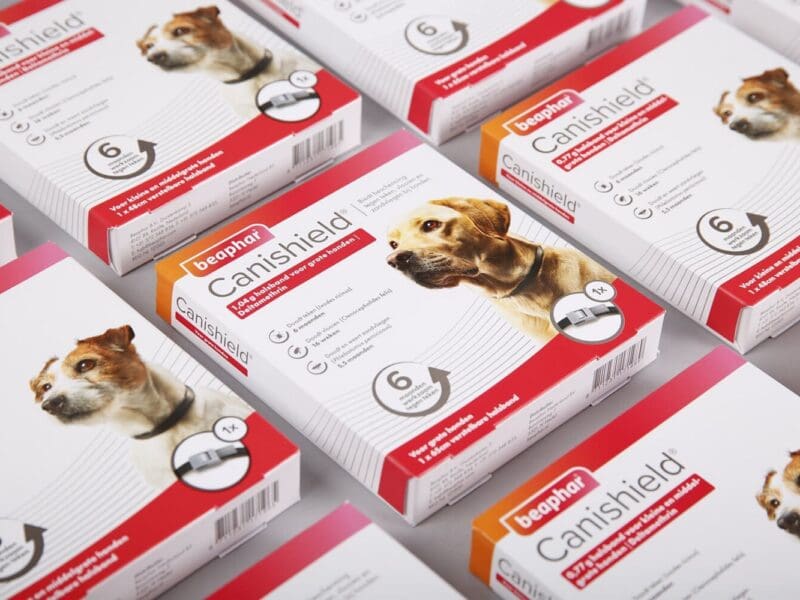
Then you see the result: 3 versions of the logo, new or differently used brand assets, packaging that looks like it belongs to another company and a website that sounds different from your sales pitch.
Brand consistency does not happen by accident. People recognise and trust a brand more easily when they meet the same brand every time.
Many companies also run a multi brand strategy, with several brands under 1 roof. That multiplies the risk. After a takeover, merger branding adds a tough question: which brands stay, which merge and which disappear?
The answer is a clear structure, rules people understand and tools that make those rules easy to follow.

Our approach: structure, rules and tools
Our approach has 3 parts: structure, rules and tools. You can start anywhere, but this order works best.
Brand architecture: how your brands relate to each other
Brand architecture maps how your brands, sub brands, services and products fit together. It answers 1 question: what does each brand stand for, and how does it connect to the others?
A clear brand architecture gives you a brand hierarchy that teams, partners and customers can read at a glance. We also look at your brand portfolio. Which brands earn their place? Which overlap? Which need a sharper role?
Branded house, house of brands or endorsed brand?
There are 3 classic models. Most companies end up with a mix.
- Branded house: 1 master brand carries everything. You may also hear umbrella brand or monolithic brand. 1 name, many offers.
- House of brands: every brand stands alone.
- Endorsed brand: each brand shows a visible link to its parent. Endorsed branding strengthens both your master brand and your sub brands.
A family brand shares a name or a style across related products. A sub brand sits under a master brand and adds its own character. We help you pick the model, and decide when a new sub brand earns its place.
Brand extensions and co-branding
A brand extension takes your brand into a new product, category or market. Done well, it borrows the trust you already built. Done badly, it dilutes what made your brand strong.
Co-branding puts 2 brands side by side. It can open doors. It also needs clear rules on logo use, tone and who leads. We set those rules before the first launch.
Brand guidelines people actually use
Too many brand manuals end up as a PDF nobody opens. We build brand guidelines that people use. Short, visual and easy to use across all your touchpoints.
A brand book explains the why: your purpose, your values and your tone of voice. The practical rules cover logo, colour, typography, imagery and layout. We add examples of what to do and what to avoid, so teams do not have to guess and your whole brand stays consistent.
Brand portal and digital asset management
The best rules fail if people cannot find the files. A brand portal gives every team 1 place for logos, templates, guidelines and approved images.
Digital asset management goes further. A DAM system or online brand platform stores, tags and shares your brand assets across teams, markets and partners. That keeps your versions under control. Good template management and ready to use brand templates let teams create on brand materials without calling a designer.
We help you work out what you need, from a simple portal to a full brand management platform. We also look at brand management software that fits how your teams already work.
Governance as the final piece of a strong brand
Brand governance protects what you built. It makes sure the work you put into strategy and identity keeps paying off.
It works best on solid foundations. Brand insights and positioning show where you stand. Purpose and brand strategy set the direction. Brand identity makes it visible. Full touchpoint execution brings it to every channel. Governance keeps all of it aligned.

Why choose June20 for brand management
Strategy, design and technology sit under 1 roof. The people who shape your brand architecture also build your guidelines, templates and tools. That leaves no gaps between strategy and execution.
We work for Belgian and international brands, from local players to global portfolios.

Frequently asked questions
When should you create a sub brand, and when not?
Create a sub brand when an offer has its own audience, promise or room to grow. Skip it when the offer only needs a new label. A sub brand costs time, budget and attention. If your master brand can carry the offer, let it.
How do you make sure everyone follows the brand guidelines?
Make them easy to find and easy to use. Give teams templates, examples and 1 person to ask. Add simple approval steps for external materials. People follow rules that save them time.
Do you need a DAM system or a brand portal?
It depends on your size. 1 brand and a small team can start with a simple portal. Several brands, markets or agencies call for digital asset management. If people keep asking where the latest logo is, you are ready.
How do you come up with a brand name or product name that fits your brand architecture?
Coming up with a company name, a brand name or a product name starts with your architecture. Decide whether the name stands alone, shows a link to the parent or follows a family pattern. Then set criteria: audience, language, trademark and domain checks. Only then generate options. Check every option in the trademark register of the Benelux Organisation for Intellectual Property (BOIP). Good naming is a brand architecture decision first.
What do you do with your brands after a merger or acquisition?
Map every brand first: its audience, strength and role. Then decide per brand: keep, merge, link to the parent or retire. Share the choice early with teams and customers. A clear plan beats a long transition with 2 half brands.