
Transformation & engagement: change management that moves people.
A new business model or a new process only works when the people in your organisation believe in it, rally behind it and make it their own. At June20, change management always starts from that human reality, combined with clear process mapping and real involvement from everyone. That way, every strategic change finds its place in daily practice, with ownership and support from day 1.
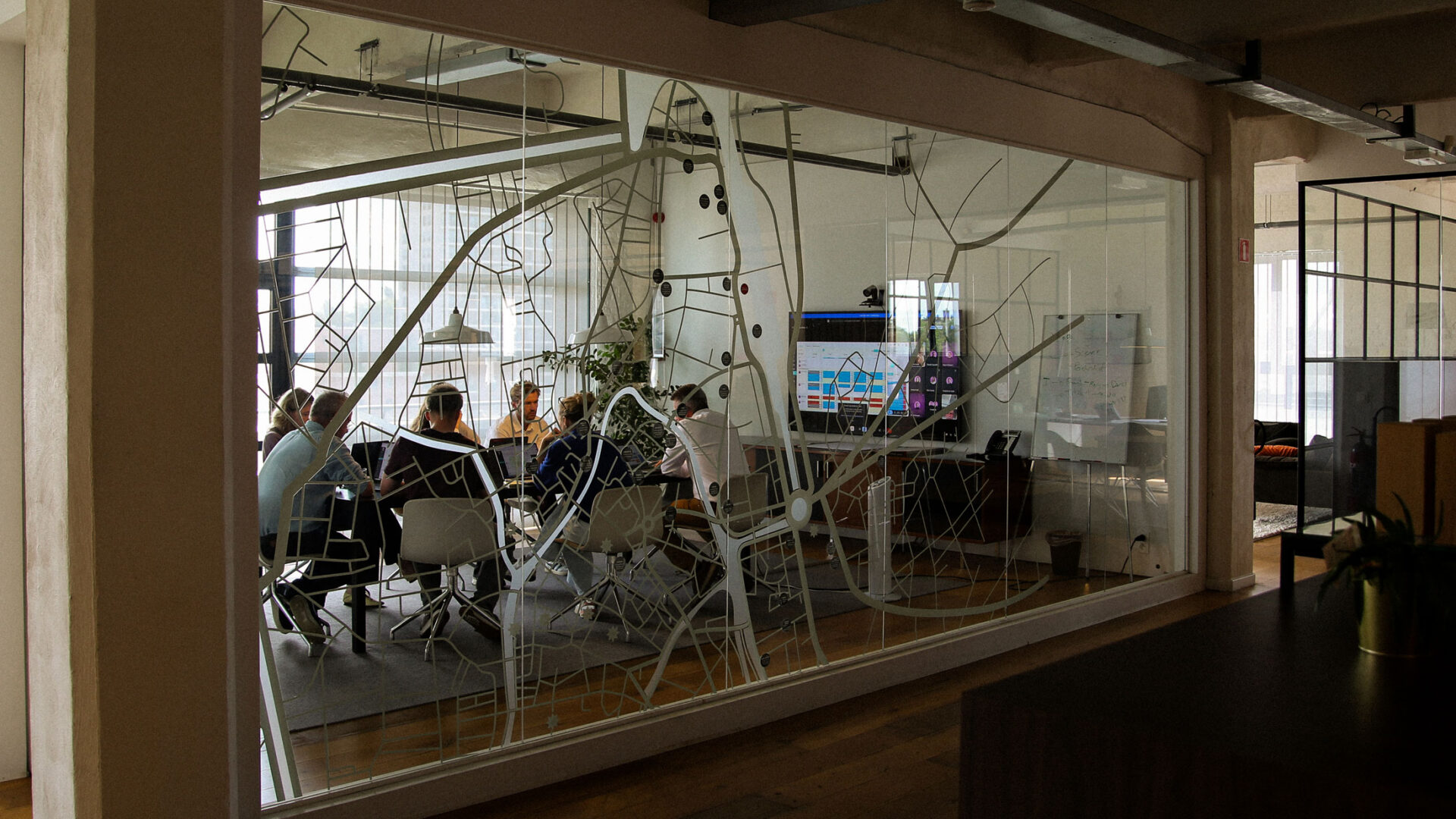
“Change doesn’t happen in a plan. It happens when people decide to work differently tomorrow.”
What is change management?
Change management is the structured way to guide people and organisations from how they work today to how they need to work tomorrow. It covers everything that makes organizational change stick: the story, the people, the processes and the habits. Many organisations treat change management as a project with a launch date. We see it as something bigger. A strategy only becomes real when people wholeheartedly change what they do every day. So at June20, we start with behaviour. We look at what people feel, fear and need, and we build the change around it. That’s how a decision in the boardroom becomes a new way of working that people carry on the shop floor.
Why transformations fail on people, not on plans
Most business transformation programmes start with a solid plan. A new structure, new systems, a clear roadmap. Yet the plan rarely decides whether a business transformation succeeds. Your people do. Strategy implementation stalls when teams don’t understand why things need to change, or don’t see what’s in it for them. Then old habits quietly win. Every organizational transformation asks people to let go of what they know and trust what they don’t know yet. That’s an emotional step. It needs more than an email from management. That’s why we treat the human side of change as a core part of your strategy, right from the start.
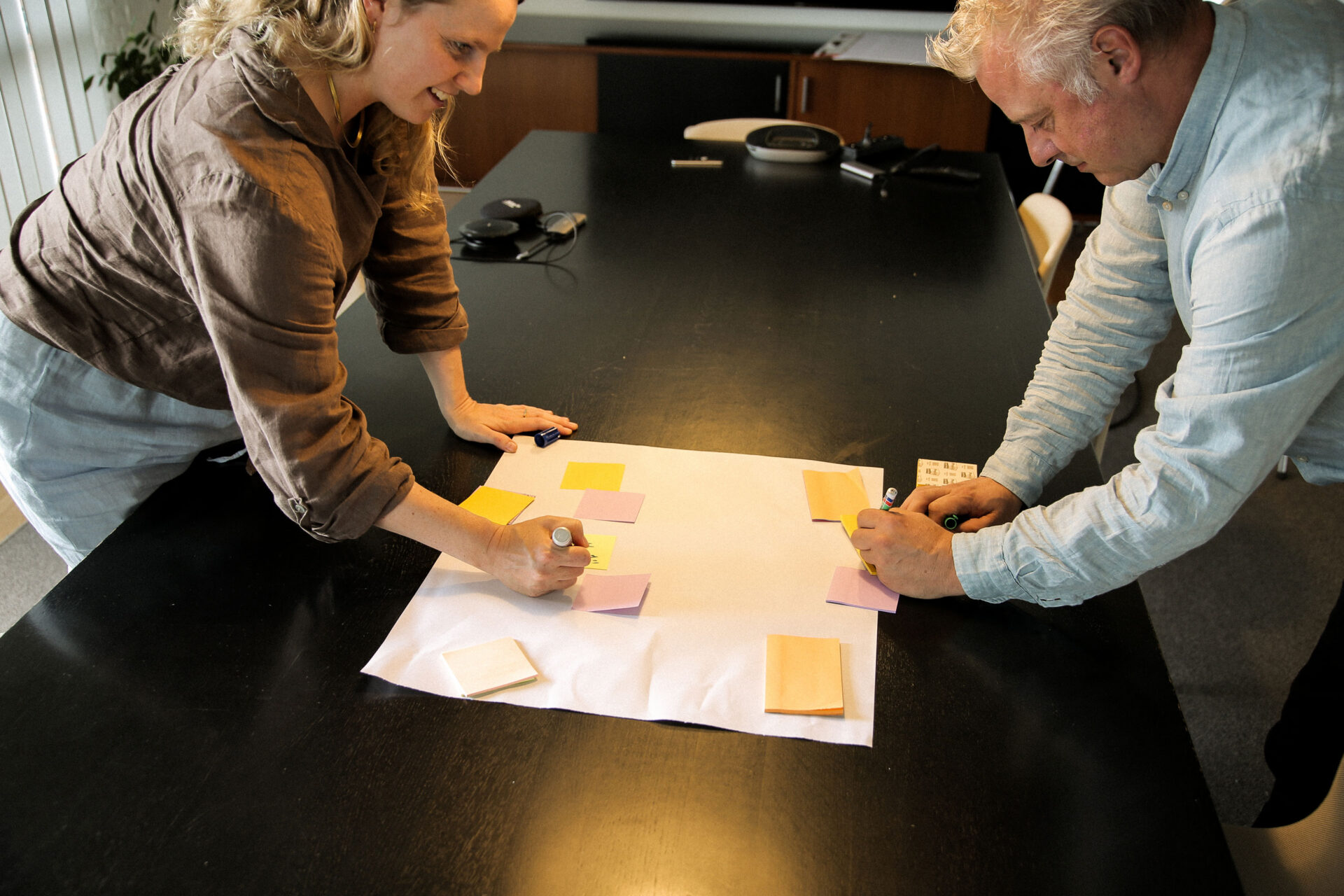
Our approach: from change journey to new habit
Every change process is different. The logic behind a strong one is always the same: understand people first, then design the change with them. Our change management strategy combines behavioural insight, internal communication and leadership. We work in 5 steps, from understanding what moves your people to anchoring new behaviour in your culture. Along the way, we stay close to your teams with regular check-ins and real-time adjustments. You keep a clear view of progress, and your people keep a clear view of where they’re heading.
Understand what moves people
Behaviour change starts with understanding today’s behaviour. Why do people work the way they do? What do they value, and what frustrates them? We map processes and workflows as they actually happen. And we talk to the people who carry them every day. That shows you where the change will pinch, and where it can bring relief. It’s the foundation for every choice that follows.
Build support and turn resistance around
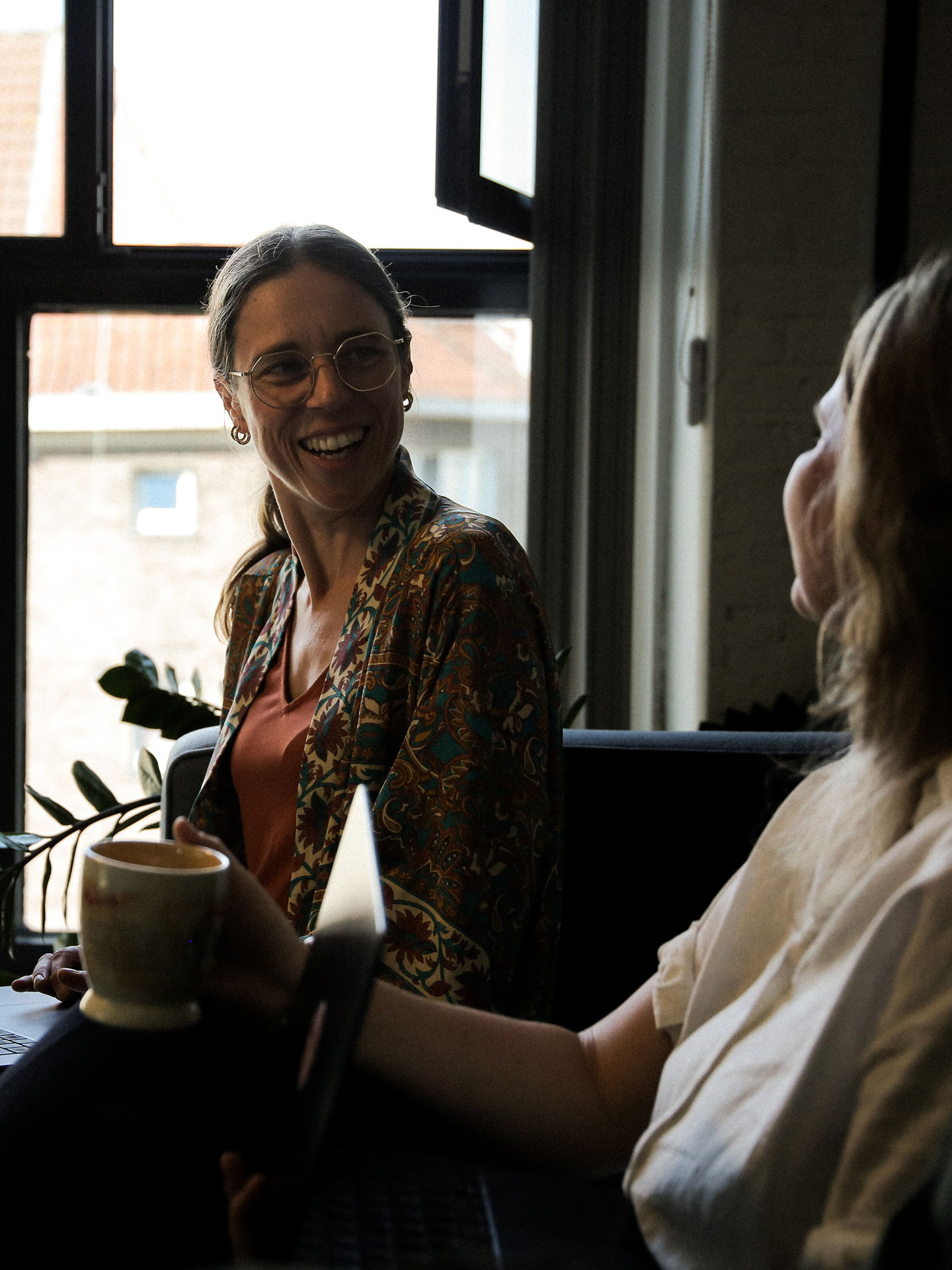
Resistance to change is a signal worth listening to. It usually points to uncertainty, a loss of control or a story that doesn’t add up yet. Handling resistance well starts with listening. We involve people early, so they help shape the change from the inside. We make the why concrete for every team. And we turn critical voices into co-creators, because they often know best where a plan will get stuck. That’s how you build support that lasts.
Internal communication that carries change
Good internal communication during change tells people what changes, why it matters and what it means for them. We build your internal communication strategy around those 3 questions, per audience. Leaders get a clear story to tell. Teams get room to ask questions and give feedback. And when the change needs extra energy, we create an internal campaign that people actually notice. That turns change communication into a conversation that keeps everyone on board.
Leadership and ownership
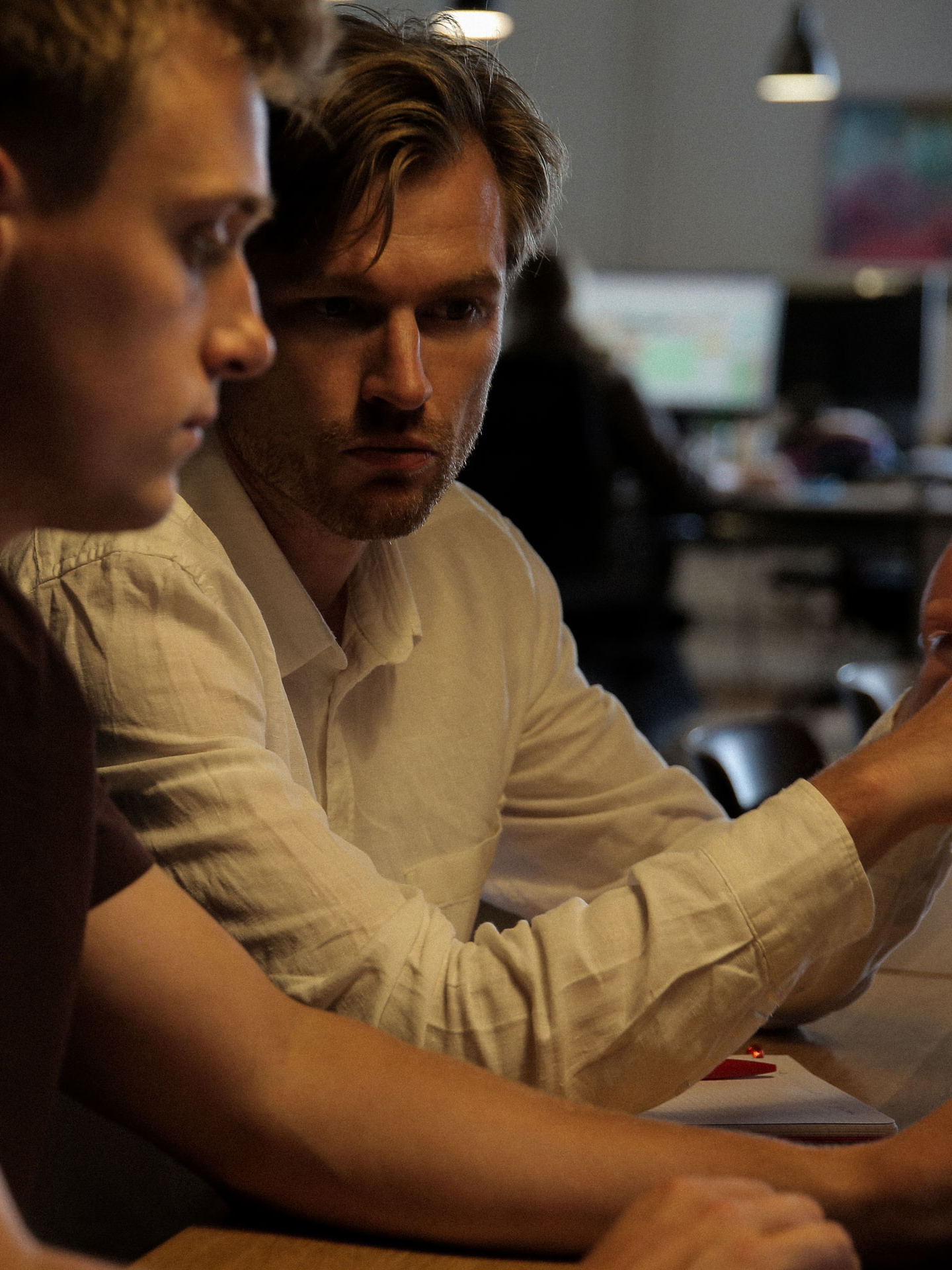
Change leadership sets the tone. When leaders show the new behaviour themselves, teams follow. We help your managers find their role in the change and give them the tools to carry it. At the same time, we map your stakeholders and plan their involvement step by step. Strong stakeholder engagement means everyone who can make or break the change feels heard. Ownership then shifts from the project team to the people who do the work.
Anchor it: from project to culture
A change only lasts when it becomes part of how you do things. So our work continues after the launch. We help you embed new working methods in daily routines, rituals and processes. We measure what works and adjust what doesn’t. And we celebrate progress, because people need to see that their effort pays off. Want to change your company culture? This is where it happens. That’s how a project grows into culture change, and how organisational development carries on after we step back.
Employee engagement: involvement as the engine of change
Employee engagement is the emotional commitment people feel towards their work, their team and their organisation. Engaged employees put in extra energy, share ideas and help colleagues through change. That makes engagement the engine of every transformation. We work on 3 levels:
- Employee commitment: how connected do people feel to their work, their team and your organisation?
- Employee experience: which moments strengthen that bond, and which ones wear it down?
- Employee ownership: how much influence do people get over the way they do their work?
Measuring what lives: employee surveys and satisfaction
You can only steer what you can see. An employee survey shows how people feel about their work and about the change ahead. We combine short surveys with interviews and conversations on the work floor. That gives you numbers and stories. Satisfaction tells you whether people are content today. Engagement tells you whether they’ll go the extra mile tomorrow. We look at both and translate the results into concrete actions.
Preventing change fatigue
Change fatigue hits when people face one change after another without seeing the result. Energy drops, cynicism grows and even good ideas hit a wall. You prevent it by making clear choices. Bundle related changes into 1 story. Give people breathing room between big steps. Show quick wins, so effort feels worthwhile. And ask your teams regularly how they’re doing. At June20, we plan the rhythm of change together with you, so your people keep the energy to move forward.
Change as the final piece of business innovation
Business innovation at June20 works on 2 levers. Externally, we develop new propositions and business models that respond to what customers really need. Internally, we optimise processes and accelerate AI adoption. Both only pay off when your people carry them. A new business model needs teams who believe in it. A new AI workflow needs people who want to use it. Transformation & engagement connects it all, so your innovation makes it from paper into practice.
Why choose June20 as your partner in change
A lot of change management consultancy revolves around frameworks and reports. We focus on the people who have to make it work. June20 combines the strategic view of a transformation consultancy with the creative strength of an internal communications agency. Our team reads behaviour, writes a story people believe in and designs a campaign that moves them. We stay until the change lands in daily practice. So you get a change management consultant and a creative partner at the same table. Small enough to care, big enough to make it happen.
An agency that moves people, inside and out
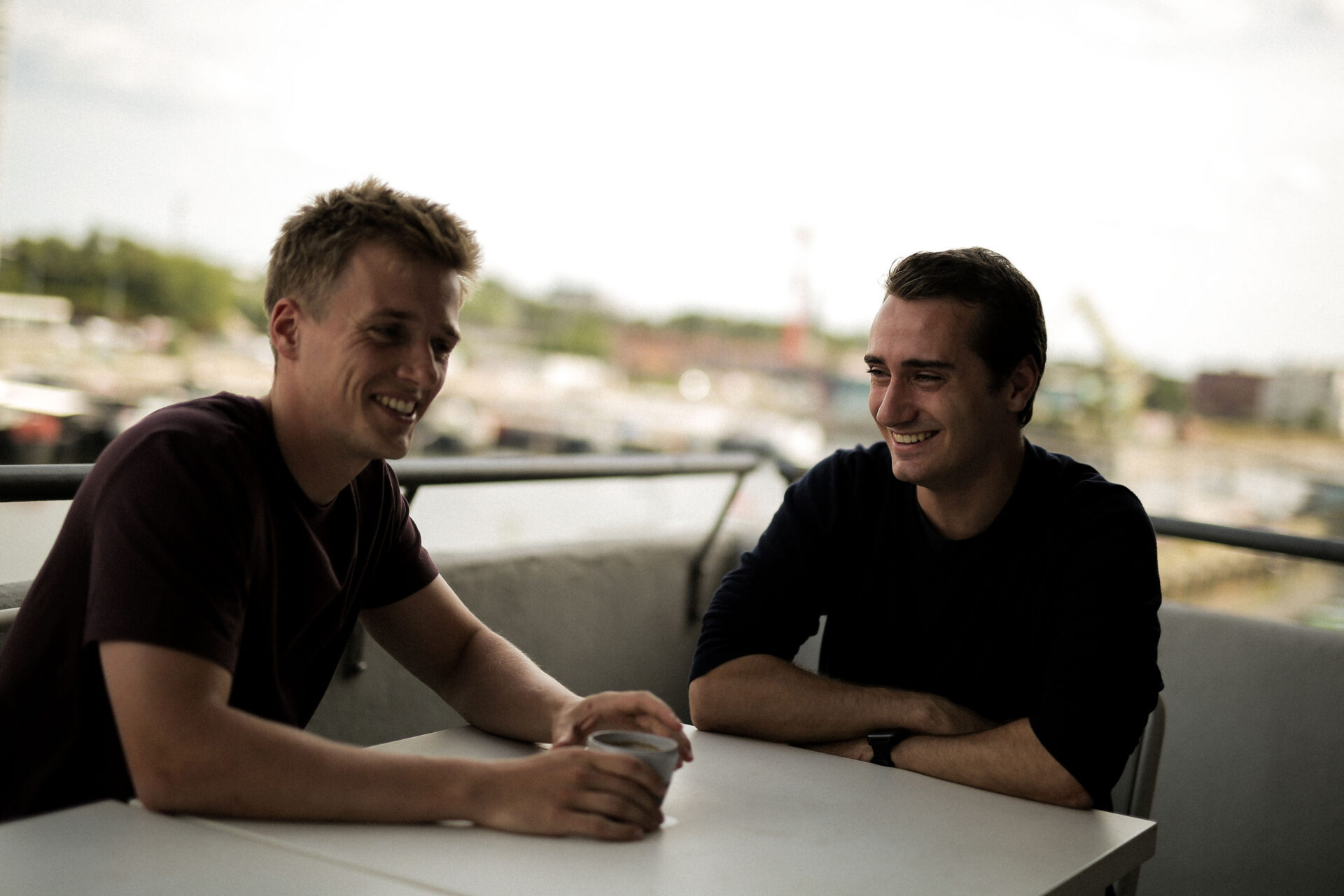
For 16 years, June20 has built emotional connections between brands and the people they want to reach. We call it Engineering Emotions. Engineering, because we systematically translate emotional insights into concrete choices. Emotions, because people only change when something moves them. We use that same approach inside your organisation. Your employees are your first audience. When they feel the change, they carry it to your customers too. Curious where your organisation stands today?
Frequently asked questions
What is the difference between change management and organisational development?
Change management guides a specific change, with a clear goal and timing. Organisational development is broader and ongoing: it strengthens how your organisation learns, collaborates and grows over time. Good change management feeds organisational development, because every change you guide well makes your organisation more adaptable.
What is employee engagement and how do you increase it?
Employee engagement is the emotional commitment employees feel towards their work and their organisation. You increase it by giving people a clear purpose, real influence and recognition for their effort. Strong leadership and honest internal communication make a big difference too.
What is the difference between employee engagement and employee satisfaction?
Employee satisfaction shows whether people are content with their job and working conditions. Employee engagement goes further: it shows whether people feel committed and want to put in extra energy. A satisfied employee stays. An engaged employee moves your organisation forward.
How do you change a company culture?
You change a company culture by changing behaviour, step by step. Start with a few concrete behaviours that matter most. Let leaders set the example and anchor the new behaviour in rituals, processes and recognition. Culture change takes time, so keep measuring and adjusting.
How long does a change process take?
That depends on the size of the change and of your organisation. A focused change in 1 department can land in a few months. A broad transformation often takes a year or more. We agree on clear milestones from the start, so you see progress along the way.
Start your change journey
Ready to make change stick in your organisation? Contact us for a first conversation, and we’ll start from there.